Aluminium Roof Lanterns: Premium Architectural Roof Lanterns for Commercial Spaces
Brighten Your Home With Sleek Modern Roof Lanterns
Modern roof lanterns serve as a sophisticated strategy for upgrading home view this brightness and space. These architectural features not only illuminate dark areas but also boost the overall aesthetic of a room. Their flexibility in design and materials allows homeowners to adapt their spaces productively. However, choosing and installing the right lantern requires careful consideration. Understanding these elements can transform a home's character considerably. What factors should one keep in mind when making such an expenditure?
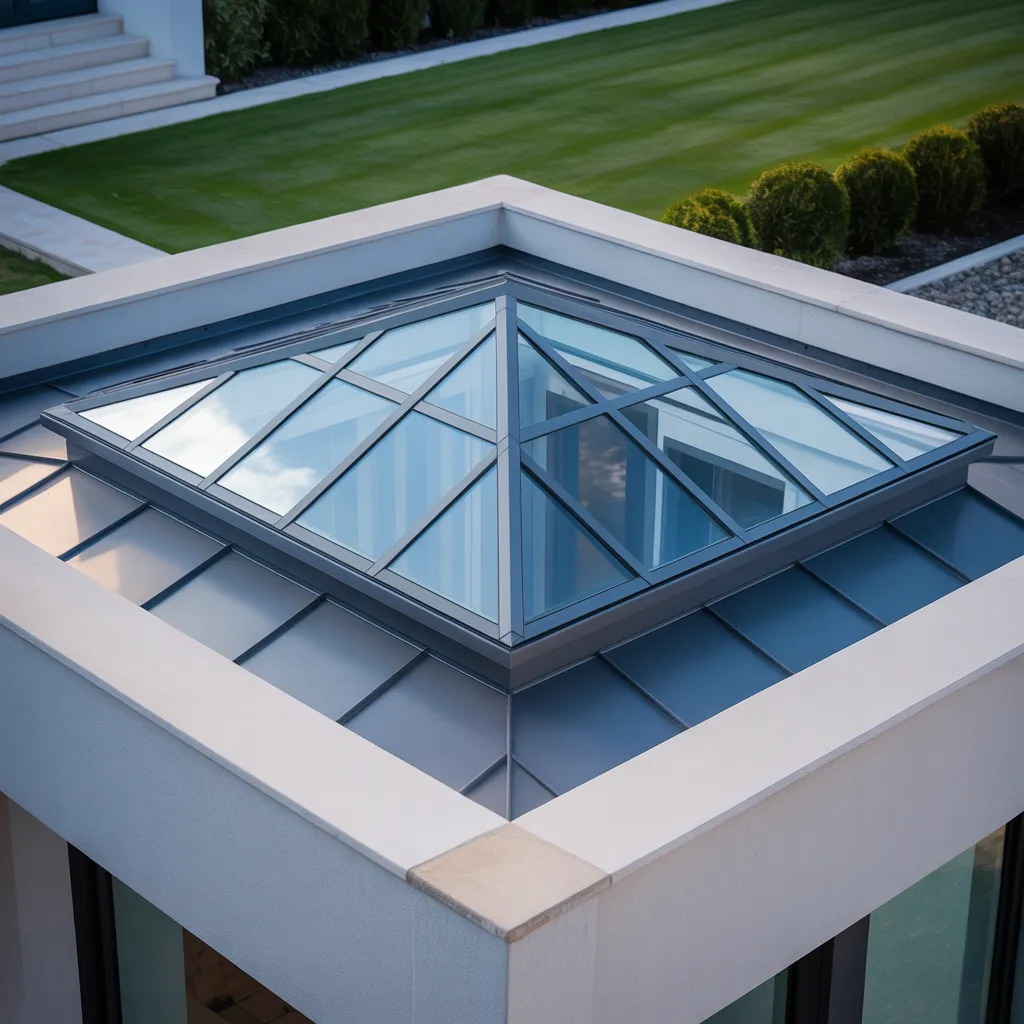
How Roof Lanterns Deliver Remedies for Light and Area Issues
Roof lanterns substantially boost illumination in interiors, turning dark spaces into radiant, appealing settings. These architectural features serve not only to enliven but also to generate an appearance of spacious, expansive rooms. Carefully positioned, roof lanterns capture sunlight from above, thoroughly distributing it across the space. This daylight reduces reliance on man-made illumination, encouraging energy efficiency.
Besides their lighting attributes, roof lanterns contribute to improved ventilation. Numerous configurations feature operable skylights, allowing fresh air to circulate, which is especially valuable in kitchens and living areas. The aesthetic appeal of roof lanterns further uplifts the overall design of a home. By bridging the gap between indoor and outdoor environments, they create a seamless connection with nature. Ultimately, roof lanterns address both lighting and spatial needs, making them a practical choice for contemporary interiors desiring to maximize brightness and openness.
Picking the Optimal Appearance for Your House
When picking the right style for a home, one must evaluate how a roof lantern can complement the overall architecture and interior design. Various styles of roof lanterns, from contemporary to traditional, offer distinct aesthetic benefits. For modern homes, sleek, minimalistic designs with clean lines boost the space without overwhelming it. In contrast, classic Victorian or Edwardian styles can add a touch of elegance and charm to period properties.
Furthermore, the choice of materials serves as a vital part. Options such as aluminum, wood, or glass can influence the lantern's look and durability. Hue also matters; a subdued palette may blend seamlessly, while bold colors can create a dramatic focal point.
Ultimately, the roof lantern should blend with the present aesthetic, enriching the home's character while providing a cohesive look. By thoroughly assessing these elements, homeowners can pick a roof lantern option that elevates their living space.
Enhancing Natural Illumination and Visual Charm
Modern roof lanterns operate as a valuable asset for amplifying daylight exposure, greatly lighting interior spaces. Their stylish architectural features not only enhance the overall aesthetic charm but also provide concrete benefits, such as superior energy efficiency. By combining these elements, homeowners can craft inviting environments while reducing reliance on artificial lighting.
Maximizing Daylight Exposure
Natural light plays a significant role in boosting the ambiance of interior spaces, making the strategic use of roof lanterns an crucial design element. By maximizing daylight exposure, these elements raise the overall atmosphere while lowering reliance on artificial lighting. The placement and size of roof lanterns can greatly impact how light penetrates a room, allowing for an consistent distribution of brightness throughout the day. Furthermore, the translucent materials commonly used in lantern construction create an unobstructed flow of light, creating a sense of openness. This integration not only builds a welcoming environment but also draws attention to architectural features, boosting both functionality and aesthetic appeal. Ultimately, roof lanterns serve as a stylish solution for harnessing natural light, uplifting the home experience.
Chic Architectural Details
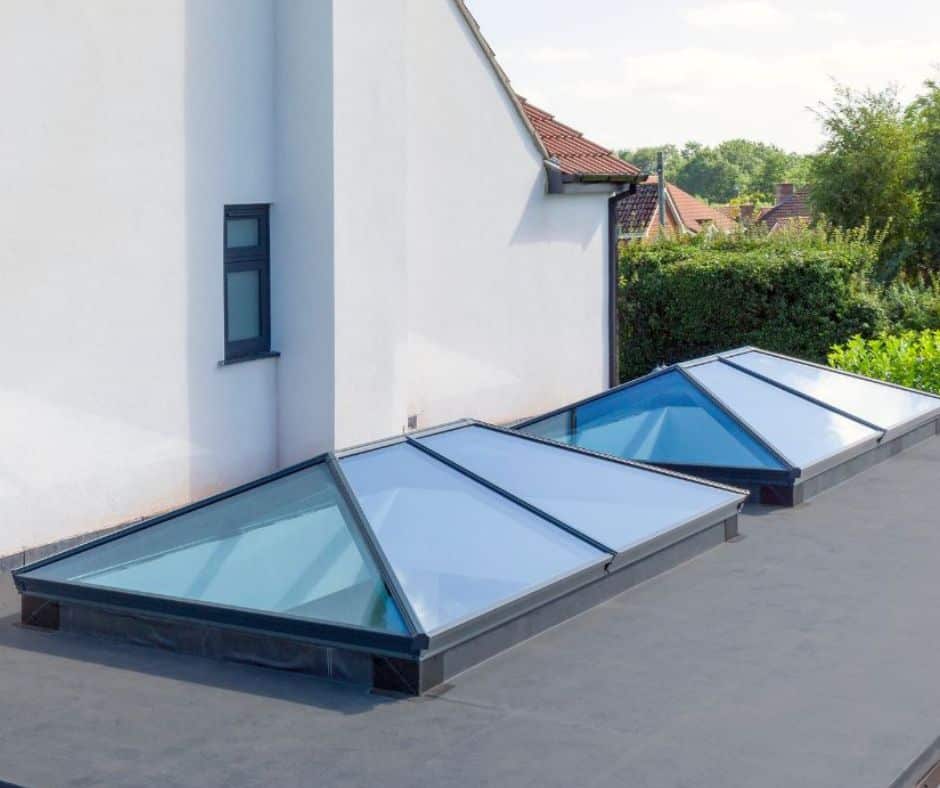
Roof lanterns serve as eye-catching architectural features that smoothly blend functionality with style. These elegant installations elevate any area, guiding the eye toward the ceiling and boosting the general appearance of a home. By incorporating sleek lines and modern designs, roof lanterns can complement various architectural styles, from contemporary to classic. Their clear designs allow sunlight to fill living areas, creating an inviting atmosphere while highlighting interior design elements. Additionally, roof lanterns can serve as centerpieces, adding personality and appeal to otherwise mundane ceilings. Homeowners appreciate their versatility; whether installed in kitchens, living rooms, or hallways, roof lanterns not only light up spaces but also contribute to the home’s architectural story, enhancing both beauty and functionality.
Energy Efficiency Advantages
While many architectural features focus only on aesthetics, energy efficiency plays a key role in the benefits of roof lanterns. These fixtures not only improve a home’s visual appeal but also maximize natural light, reducing the need for artificial lighting throughout the day. By carefully placing roof lanterns, homeowners can brighten spaces with sunlight, creating bright, welcoming interiors. This influx of natural light may lead to lower energy consumption and decreased electricity bills. Additionally, modern roof lanterns are often designed with energy-efficient glazing, which supports maintaining comfortable indoor temperatures by limiting heat loss in winter and avoiding overheating in summer. Thus, roof lanterns function as a functional and stylish solution for energy-conscious homeowners.
What to Think About When Installing Roof Lanterns
When deliberating on the installation of roof lanterns, several important factors must be reviewed to ensure both visual charm and functional efficiency. First, the size and shape of the lantern should align with the architectural style of the home, creating a harmonious look. The location is also essential; preferably, roof lanterns should be placed in zones that increase natural light while reducing heat loss.
Material choice plays a important role in longevity and power conservation. Options such as aluminum and timber each offer distinct benefits, including insulation and weather resistance. Additionally, the choice of glazing impacts heat efficiency and safety.
In conclusion, it is necessary to consider local codes and zoning standards, which may determine particular specifications for installation. By assessing these elements with care, homeowners can upgrade both the visual appeal and functionality of their living spaces with modern roof lanterns.
Upkeep Recommendations for Long-Term Roof Lanterns
To ensure the longevity of roof lanterns, a consistent upkeep schedule is necessary. Routine cleaning helps prevent the accumulation of dirt and debris, which can block sunlight and diminish aesthetics. Additionally, periodic inspection of weatherstripping is vital to preserve thermal performance and prevent leaks.
Normal Sanitation Agenda
A regular cleaning routine is vital for maintaining the aesthetic and operation of roof lanterns. Over time, dust, debris, and weather conditions can gather, impairing their attractiveness and blocking light. To ensure peak performance, it is best to clean the lanterns at least twice a year, preferably in spring and autumn. Use a soft rag or sponge with a mild detergent solution to carefully wipe the glass and frames. Avoid harsh substances that could damage the surface. For difficult spots, a gentle brush can be applied. Scheduled cleaning not only elevates appearance but also extends the longevity of the lanterns, making sure they continue to illuminate spaces effectively. Adhering to this schedule develops a inviting and radiant environment.
Assess Seals Routinely
Inspecting seals on a frequent basis is essential for sustaining the resilience of roof lanterns. Over time, seals can weaken due to exposure with weather elements, leading to potential leaks and reduced energy efficiency. Homeowners should review seals for splits, spaces, or wear patterns at least twice a year. Any observable damage should be tackled promptly to avert further issues.
To conduct a comprehensive examination, it's advisable to inspect both the inside and exterior closures, ensuring they remain water-resistant and secure. If any deterioration is detected, re-sealing with appropriate products or speaking with a professional may be necessary. By focusing on sealing checks, homeowners can enhance the lifespan of their roof lanterns and preserve an welcoming and well-lit living space.
Can Roof Skylights Cut Money?
In what ways can roof lanterns help achieve cost savings in a home? Skylights boost daylight, minimizing the need for electric lights during the day. This can lead to lower electricity bills, especially in spaces where they are positioned. Additionally, the flood of daylight can establish a more appealing ambiance, potentially raising property value and making residences more attractive to buyers.
Also, roof lanterns can better ventilation when designed with operable features, which helps maintain comfortable indoor temperatures. This can decrease reliance on heating and cooling systems, further contributing to energy savings. By optimizing the use of daylight and improving air circulation, homeowners may find that their overall energy consumption decreases, leading to significant long-term savings. In this way, roof lanterns not only enhance aesthetics but also serve as a practical investment for energy efficiency.
Imaginative Design Inspirations for Roof Lanterns
Adding multi-layered lanterns can generate depth and interest, enabling natural light to reflect across different textures. Choosing materials like metal or wood can enhance current furnishings, contributing a cozy aesthetic or contemporary sleekness. For exterior areas, weather-resistant models with built-in LED lights can provide both functionality and beauty.
Finally, strategically positioning lanterns over dining areas or living spaces can create an inviting atmosphere, making them not just a source of light, but a design statement that elevates any setting.
Often Asked Questions
What Resources Are Regularly Utilized for Roof Lanterns?
Popular materials for roof lanterns feature aluminum, glass, and timber. These elements are picked for their durability, aesthetic appeal, and ability to endure various weather conditions, providing longevity and effective light transmission in residential designs.
Are Roof Lanterns Compatible with All Roof Types?
Roof lanterns are not universally suitable for all roof types. Their effectiveness and installation depend on elements including pitch, structure, and material, requiring careful consideration to ensure suitability and optimal function in diverse settings.
Do Roof Lanterns Allow Modification for Specific Sizes?
Yes, roof lanterns may be customized to suit particular dimensions, catering to varied architectural styles and selections. This versatility enables occupants to transform their living spaces while ensuring ideal light and ventilation through bespoke installations.
What Represents the Common Durability Period of a Roof Lantern?
The average lifespan of a roof lantern ranges from 20 to 50 years, based on materials and upkeep. Premium options typically last extended periods, while exposure to harsh weather can affect durability and functionality.
Do You Require Planning Consent for Roof Lanterns?
Roof lanterns generally do not require planning permission if they comply with local rules and standards. However, it is recommended for property owners to consult their local authority to verify particular conditions before installation.